
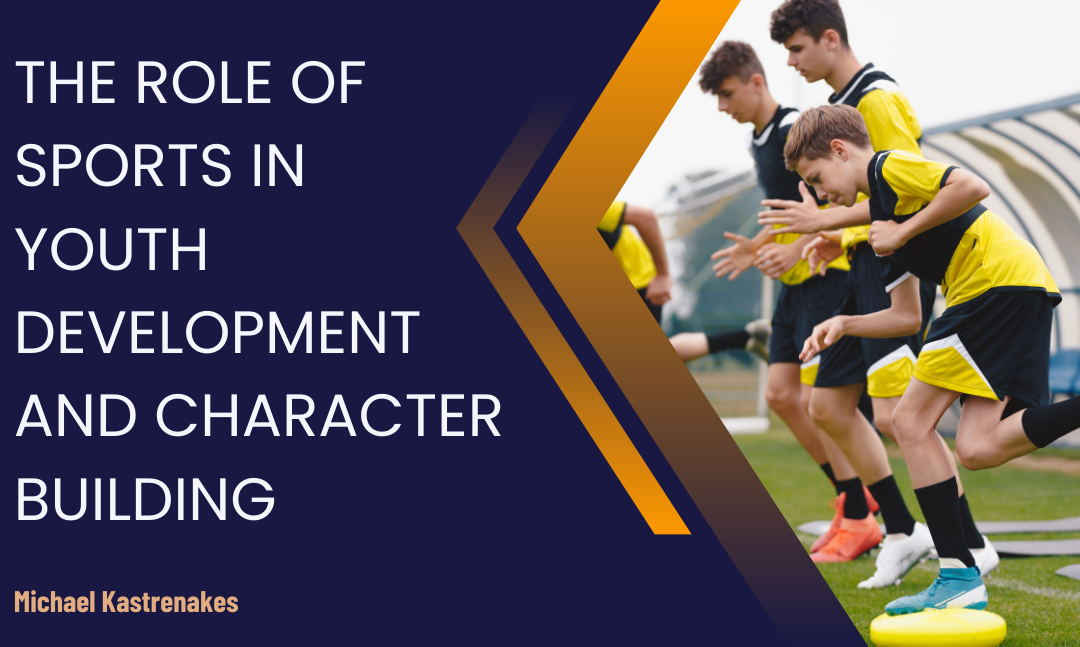
Sports have long been celebrated for their physical benefits—building strength, coordination, and fitness—but their impact goes far beyond the body. For young people, participating in sports plays a significant role in shaping character, instilling life skills, and supporting overall development. From learning to cooperate with others to developing resilience and confidence, the lessons learned on the field or court often echo throughout a young person’s life.
At the heart of youth sports is teamwork. Playing on a team teaches children how to collaborate, communicate, and work toward a common goal. Whether it’s passing the ball, following a game plan, or supporting a teammate after a mistake, sports provide countless opportunities to understand the importance of cooperation. These experiences translate into stronger interpersonal skills that serve young people well in school, relationships, and eventually the workplace.
Discipline and responsibility are also key traits cultivated through sports. Athletes must show up to practice, follow instructions, and put in consistent effort if they want to improve. They quickly learn that success is not instant—it requires commitment, time management, and a willingness to be coached. These habits build a foundation for academic achievement and professional success later in life.
Confidence is another valuable byproduct of sports participation. Every goal scored, serve returned, or race completed gives a young athlete a sense of accomplishment. Even small wins—like learning a new skill or pushing through a tough workout—reinforce a belief in their abilities. Over time, these experiences contribute to greater self-esteem and a “can-do” attitude that empowers youth to tackle challenges in other areas of their lives.
Perhaps one of the most profound lessons taught through sports is how to handle adversity. Losing a game, making a mistake, or being benched teaches young athletes to manage disappointment, reflect, and come back stronger. These moments instill resilience—the capacity to bounce back, stay positive, and keep striving despite setbacks. Developing this mindset at a young age prepares children for the inevitable ups and downs of life.
Character building through sports also involves learning about fairness and integrity. Following rules, respecting referees, and practicing good sportsmanship are all essential elements of ethical play. Children discover the value of playing with honor, treating opponents with respect, and accepting both victory and defeat with grace. These lessons foster empathy, humility, and accountability.
Sports can also serve as a vehicle for inclusion and belonging. For many young people, joining a team creates a sense of community. It provides a safe space to express themselves, form friendships, and feel supported. This social connection is especially important during adolescence, when identity and self-worth are being shaped. Being part of a team can help youth feel seen, valued, and confident in their role.
Beyond individual development, sports often inspire young people to set goals and pursue excellence. Whether striving to make the varsity team or improve a personal record, athletes learn to set measurable objectives and work diligently toward them. This goal-oriented mindset encourages perseverance, focus, and ambition—qualities that can fuel lifelong success.
Coaches and mentors also play a critical role in youth development through sports. A supportive coach not only teaches technical skills but also models leadership, character, and encouragement. Positive adult role models in sports environments can have lasting influence, guiding youth through challenges and helping them believe in their potential.
It’s also important to note that the benefits of sports are not limited to elite or competitive athletes. Recreational play, intramural leagues, and school-based sports offer the same developmental opportunities. The emphasis should always be on participation, enjoyment, and growth, rather than just winning.
In an age where screens, stress, and sedentary lifestyles dominate many young lives, sports provide a healthy outlet for energy, emotion, and social interaction. They teach essential life skills, promote emotional resilience, and help shape the kind of person a child becomes.
By encouraging youth participation in sports and supporting inclusive, positive environments, parents, educators, and communities can invest in the next generation of leaders, teammates, and citizens. The values built on a court, field, or track often lay the groundwork for a lifetime of character and confidence.