
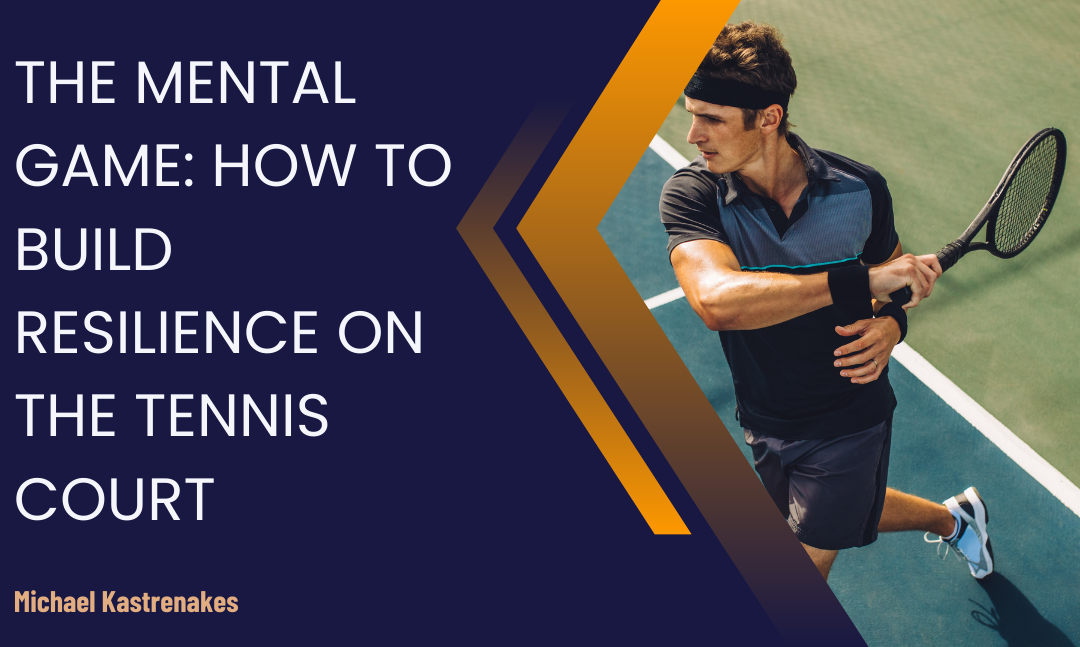
Tennis is as much a mental battle as it is a physical one. While speed, technique, and endurance play essential roles in determining a player’s success, it’s the mind that often draws the line between good and great. Resilience—the ability to bounce back from adversity, remain focused, and perform under pressure—is arguably one of the most critical attributes a tennis player can develop.
Matches are rarely won in straight lines. A player might lose a set 6-0, face match points, or struggle with unforced errors. What separates champions from the rest is not the absence of mistakes, but how they respond to those mistakes. Mental resilience is the ability to reset quickly, adapt to changing situations, and keep fighting—even when things aren’t going your way.
One of the first steps in building mental resilience is accepting failure as part of the journey. Even the greatest tennis players in history have lost matches, missed easy shots, and experienced slumps in performance. Instead of fearing failure, resilient athletes learn from it. Every loss becomes an opportunity to identify weaknesses, adjust strategies, and improve both mentally and physically.
Visualization is another powerful tool in the resilience toolkit. Before stepping onto the court, many players mentally rehearse different scenarios—winning a crucial point, dealing with a bad call, or recovering from a double fault. Visualization helps prepare the brain for adversity and builds confidence in handling pressure-filled moments. By “seeing” success in their minds, players set a mental blueprint for execution under stress.
Staying present is vital. One of the most common pitfalls in tennis is allowing your mind to wander—dwelling on a missed opportunity or worrying about the outcome. Resilient players train themselves to focus on the point at hand. Techniques such as controlled breathing, positive self-talk, and mindfulness exercises can help regain composure and maintain clarity during matches.
Another key component of resilience is emotional regulation. Tennis is an emotional game, and it’s natural to feel frustrated or anxious. However, letting emotions take control can unravel even the best game plan. Recognizing emotions without letting them dictate behavior is an advanced skill that separates mentally tough players from the rest. Channeling that energy into constructive action—like digging deeper, adjusting strategy, or resetting mentally—can turn frustration into motivation.
A strong support system also plays a role. Coaches, parents, teammates, and even sports psychologists can offer guidance, perspective, and encouragement during tough times. They remind players of their strengths, help reframe setbacks, and provide a sense of stability when results are unpredictable.
Practice routines should also incorporate resilience-building exercises. Drills that simulate pressure situations—such as tie-break scenarios, playing while behind, or serving with a match on the line—can condition athletes to perform under stress. Just like physical stamina, mental toughness improves through repetition and effort.
Off-court habits matter, too. Proper sleep, nutrition, and mental recovery are essential to maintaining a resilient mindset. Players who feel physically and emotionally balanced are more equipped to handle adversity on the court. Journaling, meditation, or simply reflecting on daily performance can help identify mental patterns and promote growth.
Finally, resilient tennis players view challenges as opportunities. Whether it’s facing a higher-ranked opponent, playing in front of a crowd, or competing in poor weather conditions, mentally tough athletes rise to the occasion. They thrive in discomfort because they know that growth rarely happens in comfort zones.
Resilience isn’t about always winning or having unshakable confidence. It’s about continuing to compete, adapt, and believe—even when things don’t go perfectly. On the tennis court, where the margins are razor-thin and the pressure relentless, resilience is a competitive advantage that can elevate a player’s performance and their entire approach to the game.